










Introduction: Symbols as Architects of Value
Visual symbols are far more than decoration—they are powerful architects of perception and economic value. From ancient hieroglyphs to modern digital icons, symbols encode meaning that shapes how we interpret worth, urgency, and possibility. In *Le Pharaoh*, this principle is reimagined with striking cultural resonance. The game transforms traditional Egyptian motifs into living symbols that influence gameplay, perception, and emotional engagement. By embedding deep symbolic layers into its mechanics, *Le Pharaoh* turns value not just into a score, but a narrative force. This fusion of heritage and interactivity reveals how symbols drive momentum in both culture and gameplay.
The Core Symbol: The Raccoon Pharaoh – Subverting Tradition
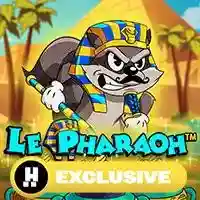
The image of a raccoon donning a pharaoh’s headdress is inherently jarring—raccoons are wild, adaptive mammals, while ancient Egyptian pharaohs symbolize divine order and permanence. This deliberate hybridity challenges deep-seated expectations, inviting players to question rigid archetypes. Such cultural mixing mirrors real-world dynamics where identity and meaning evolve across boundaries. Psychologically, this surprise triggers curiosity: familiar symbols repurposed spark deeper engagement, accelerating emotional investment. In *Le Pharaoh*, the raccoon isn’t just a novelty—it’s a narrative device that reframes legacy, power, and transformation through unexpected lenses.
Game Mechanics as Symbolic Amplifiers
In *Le Pharaoh*, core mechanics do more than entertain—they amplify symbolic meaning. Five scatter symbols ignite the iconic “Rainbow Over the Pyramids,” a dynamic visual cue symbolizing renewal, hope, and multiplicity. “Rainbow” here transcends its natural origin to represent renewal in both myth and gameplay, reinforcing the idea that progress emerges from rare convergence. The rainbow’s placement isn’t random; it’s rhythmically tied to timing and symbol activation, subtly controlling perceived speed. Unlike pure player input, this mechanic embeds symbolic rhythm into gameplay, blurring the line between chance and meaning.
Power of Multiplication: Gold Clovers and Value Multiplier
Central to *Le Pharaoh*’s progression are the gold clovers—symbols of fortune that exponentially multiply rewards from 2x to 20x. This mechanic mirrors real-world compounding, where small gains accumulate into extraordinary outcomes. The psychological impact is potent: doubling, tripling, and beyond trigger visceral satisfaction, reinforcing strategic patience. The multiplier system isn’t just scoring—it’s a metaphor for exponential growth in economics, ecology, and innovation, embedding timeless principles into intuitive gameplay.
Symbolic Speed: From Action to Outcome
Speed in *Le Pharaoh* feels both visceral and symbolic. Triggered symbol activations accelerate feedback loops, transforming swift actions into tangible progress. Yet, the game balances illusion with depth—rapid outcomes stem from layered symbolism, not mere speed. This design ensures momentum feels earned, avoiding shallow engagement. The speed becomes a narrative thread: each triggered symbol propels the player through time and myth, making progress feel inevitable yet surprising.
Cultural Resonance and Modern Relevance
Ancient Egyptian symbolism—pyramids, pharaohs, and sacred creatures—resonates globally, tapping into universal themes of power, eternity, and transformation. *Le Pharaoh* recontextualizes these archetypes for digital culture, making heritage accessible and relevant. The pharaonic imagery transcends time, appealing across generations and media. This fusion positions the game as a bridge between past and present, where symbolic depth meets modern interactivity. The raccoon pharaoh, in particular, embodies adaptability—mirroring today’s dynamic, fast-paced world.
Deepening Engagement: Non-Obvious Symbolic Layers
Beyond surface symbols, *Le Pharaoh* embeds layered meaning. The raccoon’s adaptability becomes a metaphor for resilience in unpredictable environments, echoing real-world challenges. Gold clovers carry not just monetary value but emotional weight—symbols of luck, legacy, and legacy’s fragility. Color symbolism—rainbow’s hope, gold’s prestige—deepens emotional resonance. These subtle cues invite players to decode meaning beyond gameplay, enriching immersion and connection.
Conclusion: Symbols as Engines of Meaning and Momentum
*Le Pharaoh* exemplifies how symbols drive both value and speed in digital experiences. By weaving cultural heritage into dynamic mechanics, the game turns myth into momentum, tradition into innovation. The raccoon pharaoh, golden clovers, and rainbow symbols are not just visuals—they are engines of meaning that accelerate engagement and reflection. In a world where digital symbols shape perception and behavior, *Le Pharaoh* offers a compelling model: design that embeds depth into speed, culture into gameplay, and story into score. Explore how symbols continue to define modern digital experiences—start playing le pharaoh demo slot and experience the fusion firsthand.